Powering for Generous Plots
Powering for Generous Plots
Blog Article
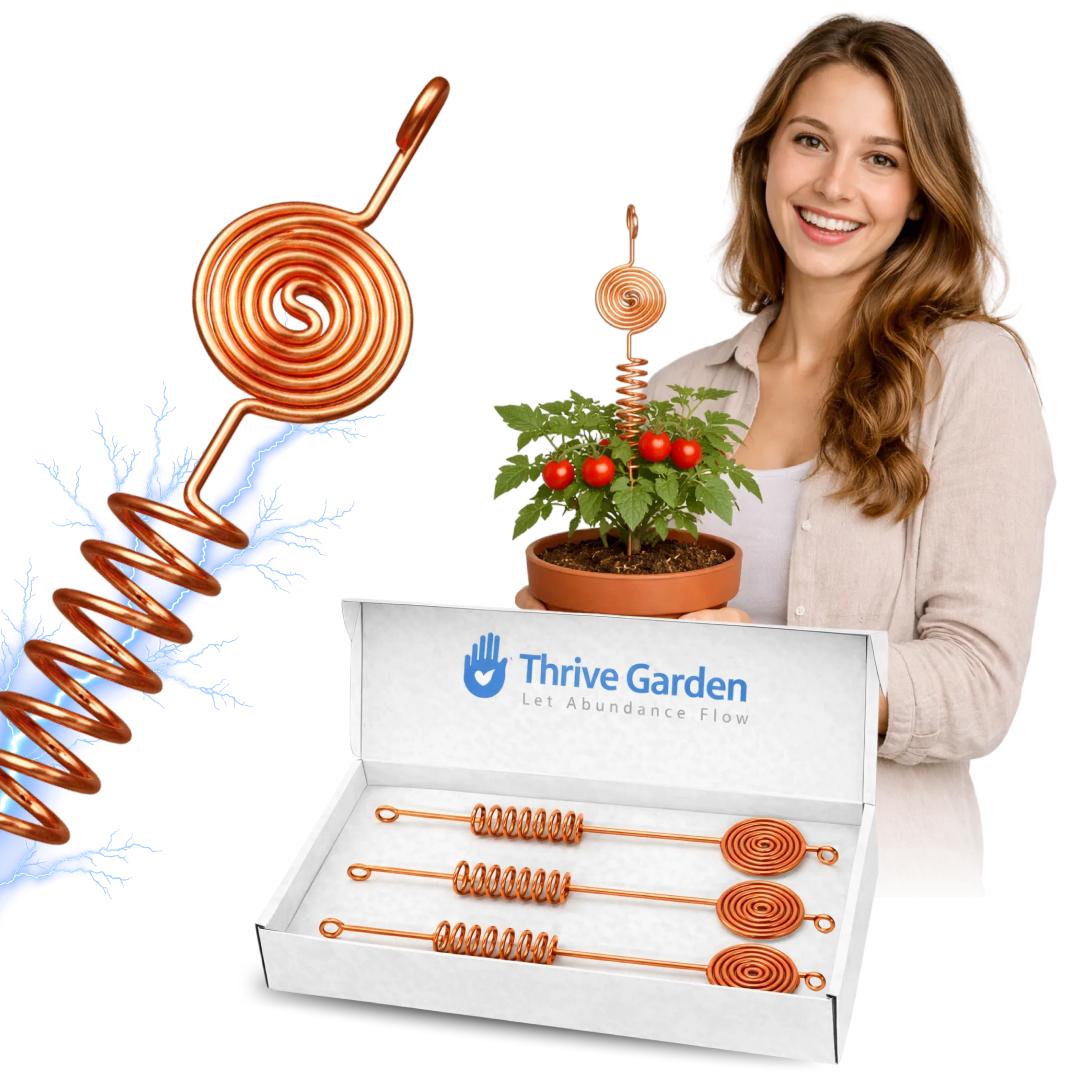
Electroculture, a unusual method , proposes that plants can thrive when subjected to mild electric currents . Some electroculture suggest that this gentle stimulation promotes mineral assimilation, resulting to accelerated development and potentially more harvests . While scientific evidence has been scarce , dedicated practitioners claim remarkable gains in their personal gardens , inspiring further study of this unconventional method to horticulture and produce production .
The Beginner's Guide to Electroculture Gardening
Interested to learn a innovative gardening method ? Electrical gardening is harnessing electric energies to enhance plant growth . The process sounds futuristic, but the core principles are surprisingly easy to comprehend. Typically, it includes creating a grid of copper wire over your crops, potentially connected to a small energy source. While rigorous proof is available limited, many gardeners experience significant increases in crop health and harvest. This briefly cover the essentials in upcoming sections.
Does Electroculture Truly Operate? Separating Truth from Fiction
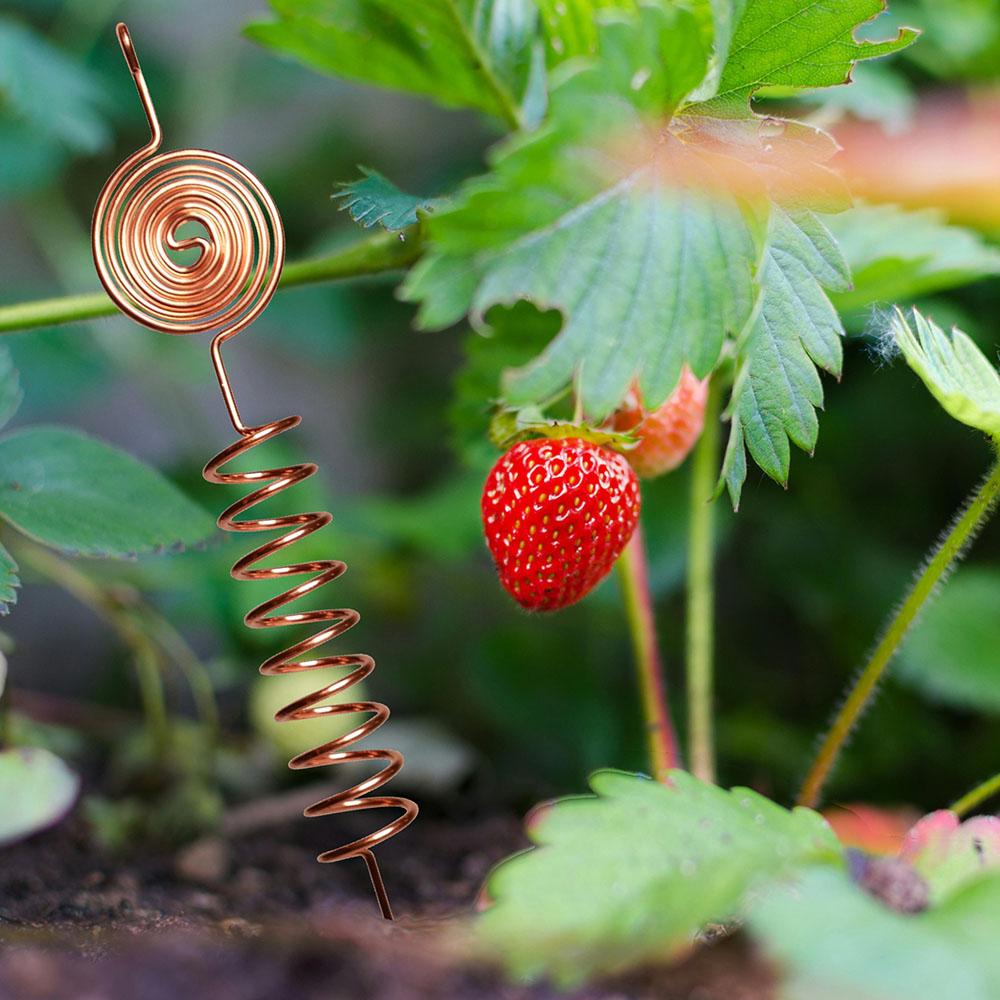
Electroculture, a process employing minimal electricity to stimulate crop growth, has generated considerable interest online. However, it's essential to closely examine the claims and separate valid results versus dubious advertising. Despite certain primitive experiments appear to show increased harvests, the scientific grounding stays primarily unclear. Numerous reportedly achievements could be due to other factors, including the ground, water management, or simple coincidence. Enhanced study and peer-reviewed confirmation are essential to establish whether electroculture involves a dependable growing practice.
Creating Your Own Electroculture Garden: A Detailed Guide
Embarking on the fascinating world of electroculture can seem daunting, but building your own electroculture garden is surprisingly doable with a certain basic steps. First, obtain your materials: a vessel, copper cabling , zinc material, water, and a power source – a small battery or DIY cell can function . Next , arrange the copper and zinc surrounding the water within the container, ensuring they haven't touch. The energetic field emitted between these metals is considered to encourage plant vitality. Finally, observe your plants and adjust the system as needed – electroculture is as much dealing with experimentation as it is concerning following guidelines.
Bio-Electrical Farming vs. Traditional Cultivation: What's The Variation ?
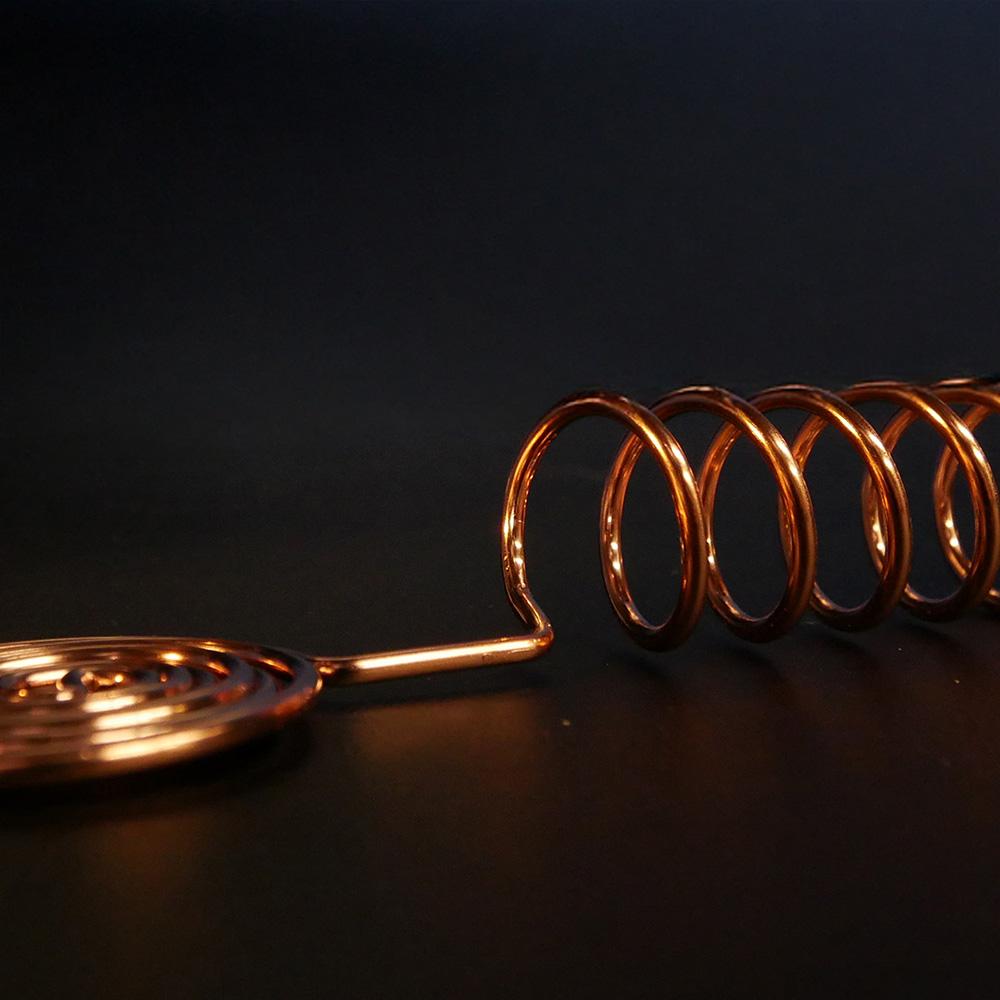
Many gardeners are electroculture antenna design investigating electrical gardening as an method to standard horticulture . While both aim to cultivate thriving crops , they utilize drastically contrasting strategies. Traditional gardening relies on earth elements, light , and moisture , often with extra fertilizers . In contrast , bio-electrical farming leverages a low current to energize crop growth , conceivably reducing the requirement on ground and traditional nutrients . In conclusion, bio-electrical farming represents a fairly new concept in agriculture possessing unique potential .
Boosting Plant Growth with Electroculture: Potential & Practicalities
Electroculture, a fringe process indicating plant flourishing through electrical currents , has ignited considerable interest amongst gardeners . Initial accounts claimed astounding enhancements in production and total plant health . While the precise mechanism is unknown, some hypotheses direct to greater water assimilation and nutrient access within the ground. Practical uses can range from rudimentary DIY setups utilizing copper and zinc terminals to more sophisticated setups . However, it’s crucial to consider electroculture with care , acknowledging the scant peer-reviewed academic evidence and potential dangers associated with incorrect implementation. Further study is necessary to completely grasp the possibility and restrictions of this fascinating strategy to cultivation.
- Potential benefits include increased yield and improved plant health.
- Consider the need for further research and scientific validation.
- Practical applications range from simple DIY systems to complex configurations.